

DISRUPTIVE TECHNOLOGY ADDRESSING UNMET NEEDS IN DIAGNOSIS AND TREATMENT OF LIFE-THREATENING CONDITIONS OF GASTROINTESTINAL, PANCREATO-BILIARY AND OTHER ORGANS AND SYSTEMS
Our Mission
Despite major progress made in diagnosis and treatment of many diseases, there are conditions that have not seen much innovation and improvement in treatment outcomes over the last few decades, despite causing considerable morbidity and mortality and affecting millions of people. Among these are serious conditions of gastrointestinal (GI) and pancreato-biliary systems, such as acute pancreatitis, defects and trauma of GI tract and GI bleeding.
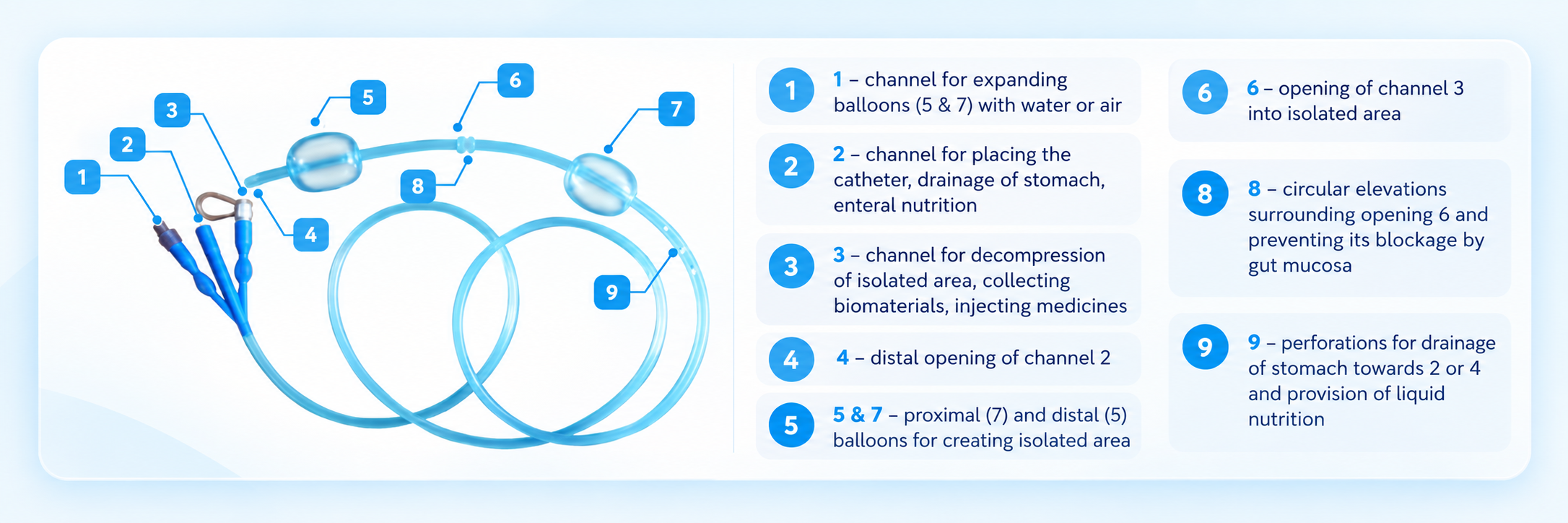
At PANDICA we have developed a range of novel devices, PandiCath®, which, thanks to their versatility, help to address multiple unmet needs in diagnosis and treatment of life-threatening conditions of GI and pancreato-biliary systems. The unique feature of the devices is their ability to create an isolated area with controlled conditions (e.g. active decompression) in GI tract, but at the same time to maintain its connectivity and stimulate its function. This concept of "connects while isolating" enables prolonged use of the devices, essential for their many diagnostic and treatment applications. Application of treatment methods based on the use of PandiCath® will help save thousands of lives, reduce severity of the disease and cost of treating patients.
Applications
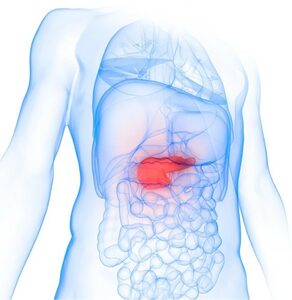
Acute pancreatitis is characterized by the sudden inflammation of the pancreas, a gland located behind the stomach, caused by the activation of the digestive enzymes within the pancreas itself.
NO NEW TREATMENTS OF ACTUTE PANCREATITIS HAVE BEEN INTRODUCED SINCE 1970s
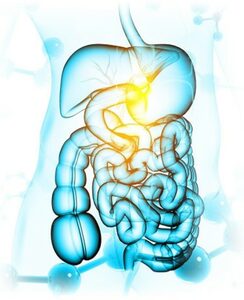
Defects of GI tract encompass numerous conditions involving damage to the wall of hollow organs of gastrointestinal system. These range from chemical burns of esophagus to a variety of perforating conditions, such as fistulas and anastomotic leaks, affecting esophagus and intestine and resulting from a variety of factors including both natural causes and surgical interventions.
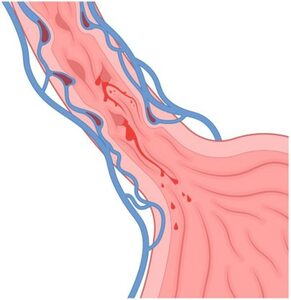
Gastrointestinal bleeding is a widespread clinical condition, with reported mortality of ~8%. The extent of GI bleeding can range from life-threatening hemorrhage to chronic blood loss. One of the biggest dangers of GI bleeding, including serious cases, is its often silent nature.
To Partners
We are looking for collaboration opportunities with investigators, research and clinical organizations who could be interested in exploring the benefits of using our technology and solutions to address their clinical and research needs. For more information or to discuss potential collaboration please contact us at info@pandica.com.
To Investors
We developed a range of fully functional devices with unique characteristics, which have undergone clinical evaluation and demonstrated effectiveness and safety. Further clinical validation and implementation of treatment and diagnostic methods enabled by our technology will result in significant clinical and economic benefits. Multiple patent applications have been submitted and in some cases patents already granted, covering the design, functionality and utility of our devices. If you are interested in exploring and developing the potential of our technology to diagnose diseases and treat patients please contact us at info@pandica.com. Here you can find the link the company's presentation.