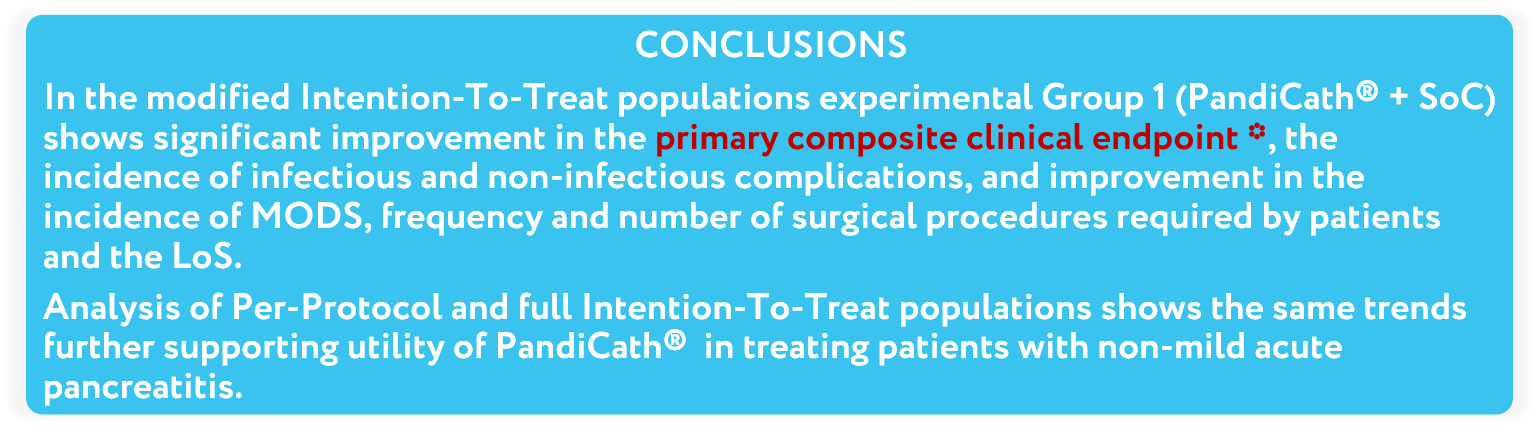
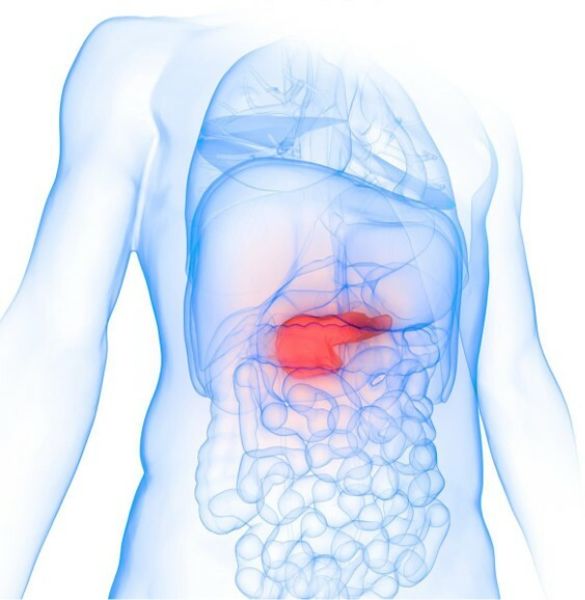
Acute pancreatitis is characterized by the sudden inflammation of the pancreas, a gland located behind the stomach, caused by the activation of the digestive enzymes within the pancreas itself.
Symptoms of acute pancreatitis include severe abdominal pain, nausea, vomiting, fever, and a rapid pulse. Severe cases can lead to complications such as pancreatic necrosis, infection, and organ failure.
The most common causes of acute pancreatitis include gallstones, excessive alcohol consumption, certain medications, infections, trauma, and high levels of triglycerides in the blood.
Treatment for acute pancreatitis usually involves hospitalization, intravenous fluids, pain management, and supportive care. If the underlying cause is identified, specific treatments may be implemented, such as gallstone removal.

NO NEW TREATMENTS OF ACTUTE PANCREATITIS HAVE BEEN INTRODUCED SINCE 1970s
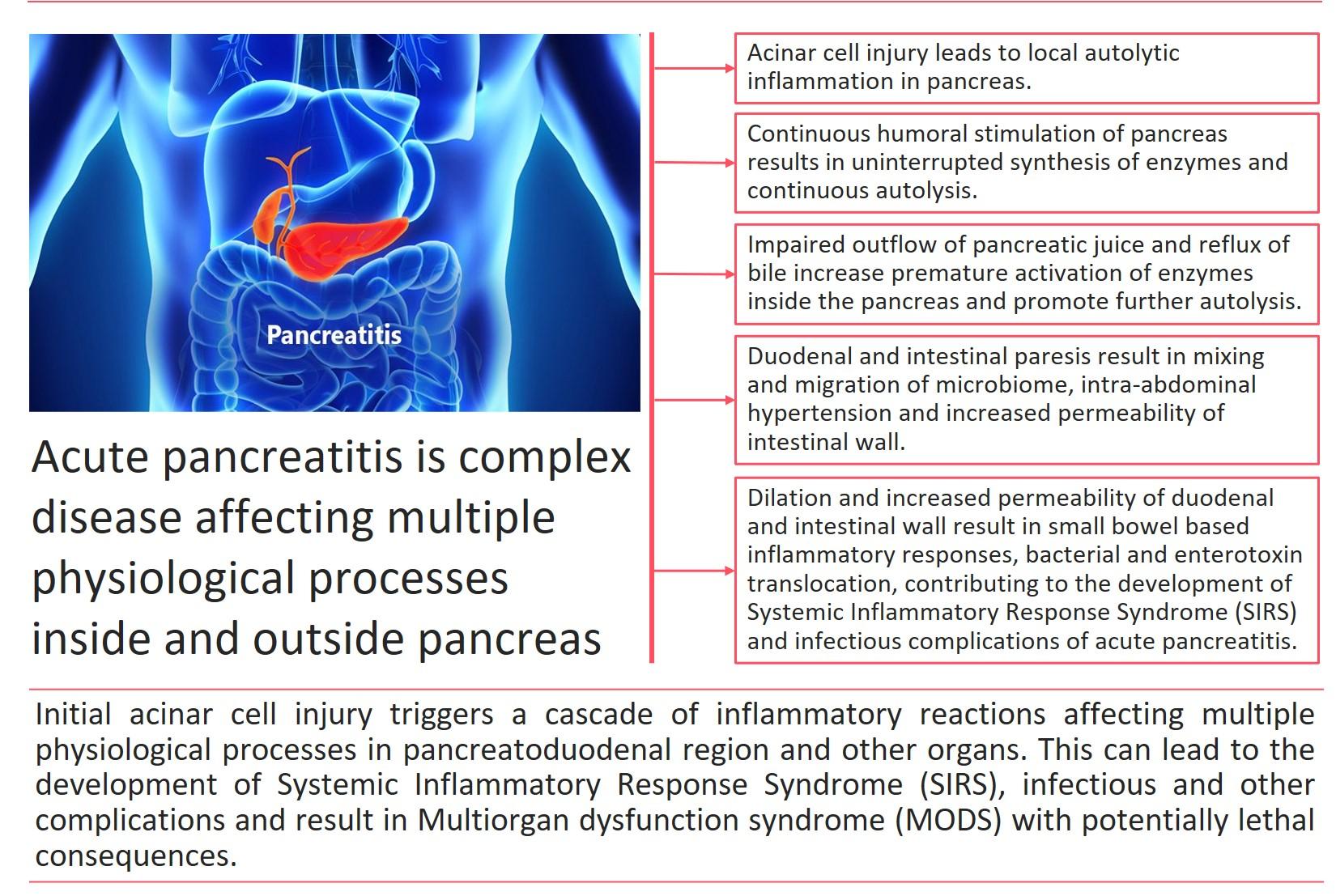
Standard therapy does not tackle root causes and key drivers of acute pancreatitis and is often ineffective
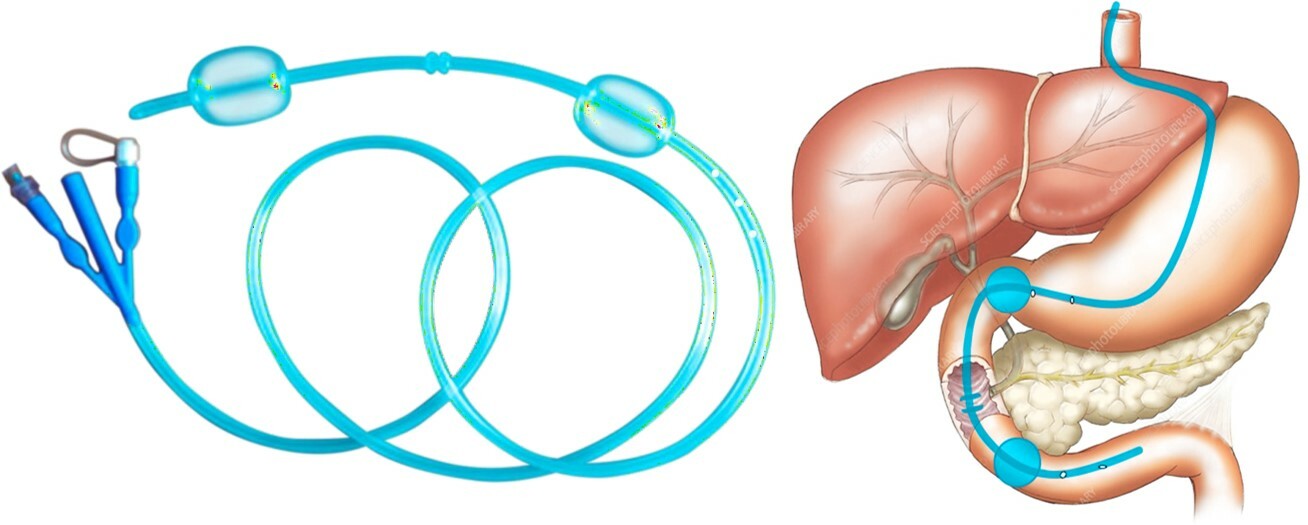
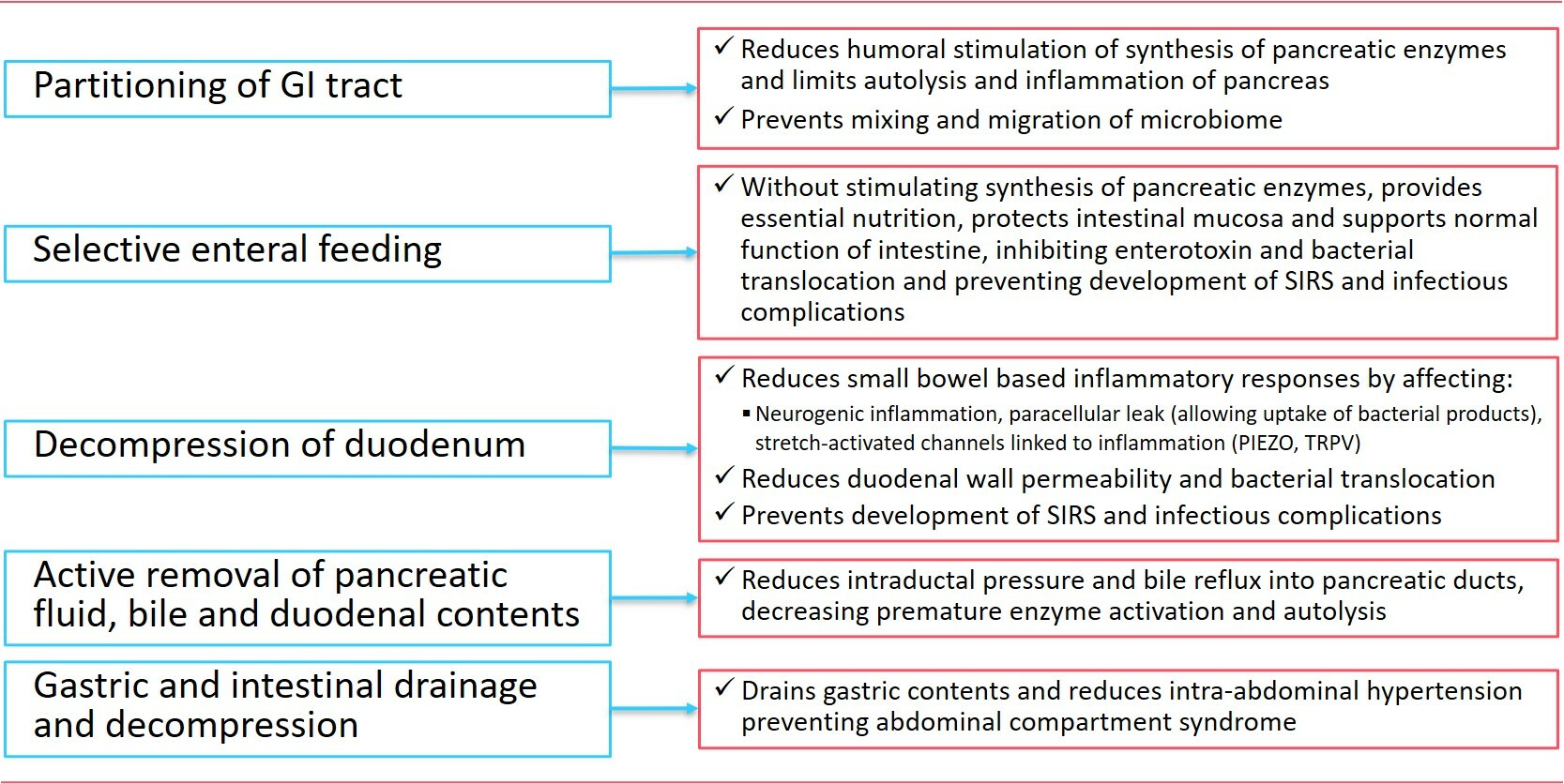
Multiple treatment modalities simultaneously conferred by PandiCath® aim to reduce the incidence of progression of acute pancreatitis to severe forms and to prevent development of its deadly complications. This will result in better outcomes for patients suffering from this dangerous disease.
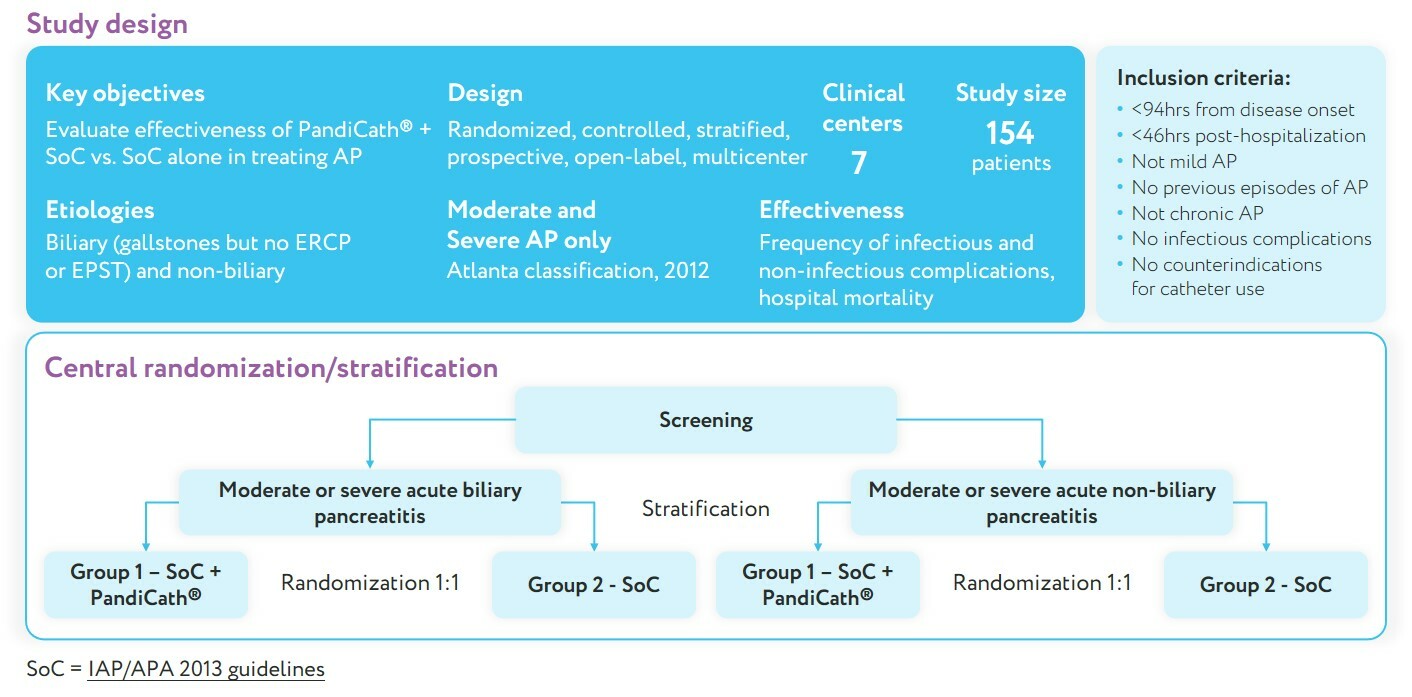
A randomized, controlled, stratified, prospective, open-label, multicenter clinical study has been performed in order to evaluate effectiveness and safety of PandiCath® in combination with Standard of Care vs. Standard of Care alone in treating patients with moderate and severe acute pancreatitis.
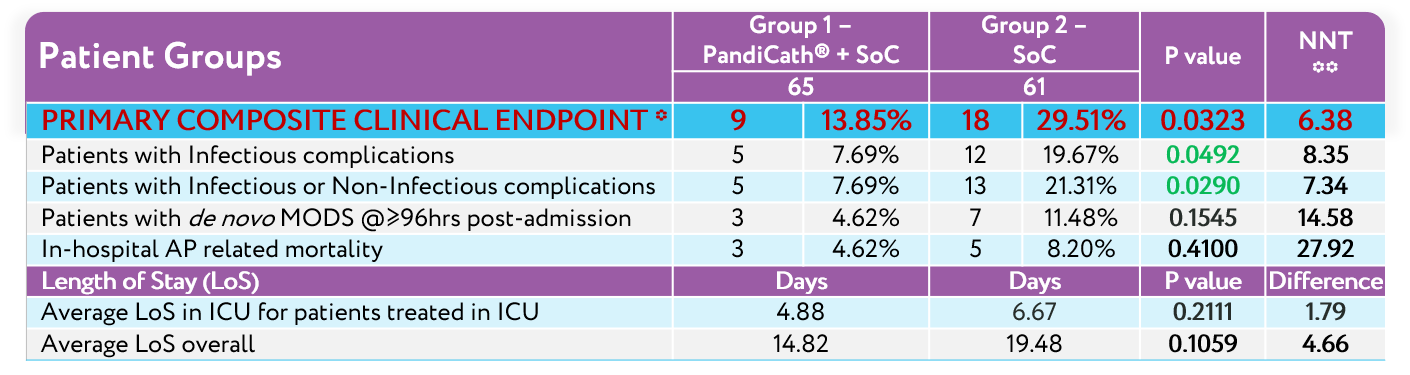
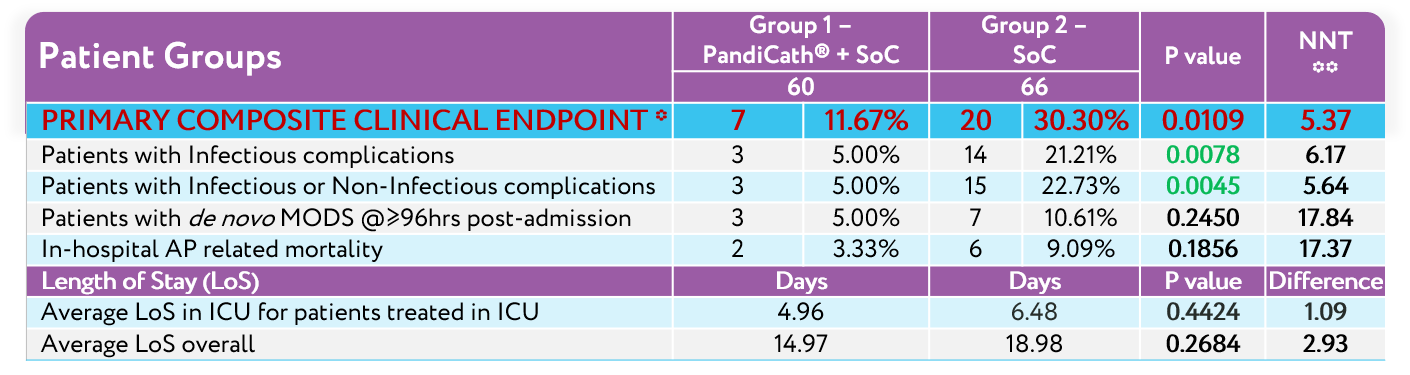
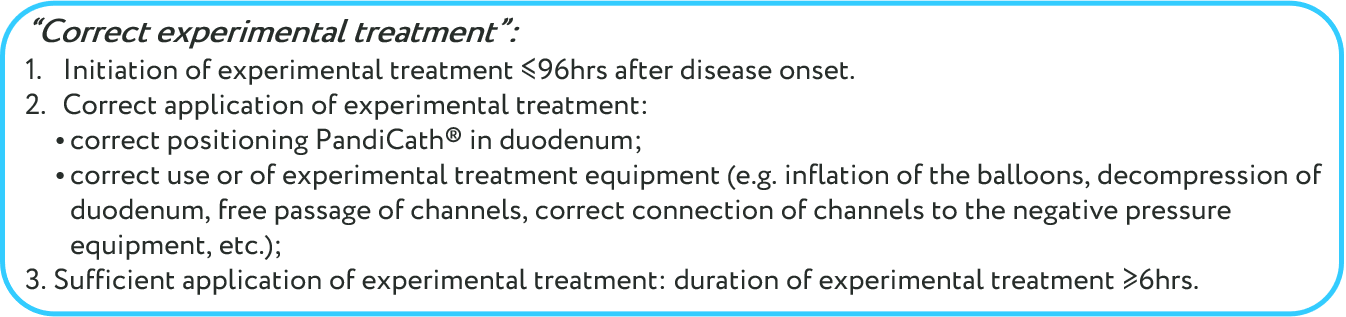
The study has completed enrollment of patients in June 2023. Currently the data produced by the study is being reviewed and analyzed with preliminary results suggesting significant improvement of clinical outcomes for patients treated with PandiCath®.
For more details of the study design, conduct and preliminary results please contact us at info@pandica.com.